

How to Get Rid of Dog Waste at Home
That moment when you step into the yard and realize there is more waiting for you than fresh air is exactly why so many homeowners look up how to get rid of dog waste at home. The job is simple in theory, but the wrong routine can leave behind odor, bacteria, stained grass, and a chore that keeps getting pushed to tomorrow. A better approach is to make disposal safe, consistent, and easy enough to keep up with.
How to get rid of dog waste at home without making a bigger mess
The best method depends on your yard, your local rules, and how many dogs you have. A single dog in a small yard creates a very different cleanup routine than two or three dogs using the same patch of grass every day. What works well for one household may feel unmanageable for another.
For most homeowners, the safest starting point is straightforward pickup with a bag or scooper, followed by sealed disposal in the trash. It is reliable, sanitary, and easy to repeat. If your main goal is keeping the yard consistently clean, frequency matters just as much as the disposal method.
Dog waste should not be left sitting in the yard for days at a time. It does not break down the way many people assume, and it can carry bacteria and parasites that linger in soil. It also attracts flies, creates odor faster in warm weather, and turns a usable yard into a space people avoid.
The simplest at-home method: bag, seal, and trash
For many households, this is the most practical answer. Use a dedicated scooper or pick up the waste with a sturdy bag, turn the bag inside out over the waste, seal it tightly, and place it in an outdoor trash can with a lid. If odor is a concern, double-bagging can help, especially in summer.
This method is effective because it contains smell and limits contact with the ground and surrounding surfaces. It is also easy to teach to anyone in the household, which matters if cleanup gets shared between family members.
The trade-off is convenience. If you have multiple dogs or a busy schedule, even a simple process can pile up fast when it has to be done every day. That is usually when homeowners start looking for a more structured routine or outside help.
Can you flush dog waste?
Sometimes, but it depends on local wastewater guidance and the type of bag you use. Dog waste itself is generally safer in a sewer system than in your yard, but tossing it into the toilet in a regular plastic bag is not an option. If you choose this route, the waste has to be separated from the bag first, and not every homeowner wants to handle that extra step.
There is also a practical issue. Flushing may work for one pickup at a time, but it is not the most appealing routine for households managing frequent cleanup. It can be useful in small amounts, but it is rarely the easiest long-term plan.
What about burying it?
Burying dog waste sounds like a natural solution, but it is usually not the best one. Pet waste is not the same as compost made from yard clippings or leaves. It can carry harmful organisms, and burying it too close to gardens, play areas, or water runoff paths can create sanitation concerns.
In a small residential yard, buried waste also has a way of becoming tomorrow's problem. Dogs may dig it back up, wet weather may shift the soil, and the smell does not always stay contained. For most homeowners, burial creates more uncertainty than convenience.
Common disposal mistakes that cause odor and yard damage
A lot of frustration around dog waste comes from habits that seem harmless but make the situation worse over time. Leaving waste in place too long is the biggest one. The longer it sits, the harder it is to remove cleanly, especially after rain or strong sun.
Another mistake is using an open trash can or a flimsy liner. Even if the yard is clean, the disposal container can become the new source of odor. A covered outdoor can, regular trash removal, and occasional rinsing make a noticeable difference.
Trying to hose waste into the grass is another common problem. That does not remove it. It spreads residue into the lawn, pushes bacteria into the soil, and can leave behind brown patches. If the goal is a cleaner yard, full pickup is always better than trying to wash the problem away.
Why dog waste is more than just an eyesore
Most people clean up because they want the yard to look better, but the hygiene issue matters just as much. Dog waste can contain organisms that are not good for pets, kids, or adults walking through the yard. Shoes, paws, and toys can carry that contamination back inside.
Odor is another sign that waste is accumulating faster than it is being removed. In hot, humid weather, the smell can build quickly, especially in smaller fenced yards where air does not move as freely. Regular pickup keeps the space more usable and more comfortable for everyone.
Building a routine that actually works
The best cleanup plan is the one you will keep doing. For one dog, daily or every-other-day pickup may be enough. For multi-dog households, waiting a full week can mean a much bigger and less pleasant job.
Many homeowners do better with a fixed schedule rather than a vague plan to clean up when they have time. That might mean a quick morning pass with a scooper, a set cleanup day before the weekend, or a recurring service that keeps the yard under control without adding another chore to the calendar.
If you want the yard to stay consistently clean, think in terms of volume. More dogs, smaller yards, and frequent outdoor use all point to more frequent removal. The cleaner the yard stays between visits, the easier odor control becomes.
Tools that make the job easier
You do not need a complicated setup, but the right tools help. A long-handled scooper saves your back and keeps distance between you and the waste. Strong waste bags reduce leaks and tears. Disposable gloves are a good idea if you are doing a larger cleanup or dealing with older waste.
Some homeowners also keep a small lidded waste container outside just for pet waste until trash day. That can work well if it is lined, sealed, and cleaned regularly. Without a lid, though, it usually creates more smell than it solves.
When DIY stops being worth it
There is a point where the cheapest option is not the easiest one. If cleanup keeps getting delayed, if the yard always seems one step behind, or if no one in the household wants to deal with it, the real cost becomes time, frustration, and a yard that never feels fully clean.
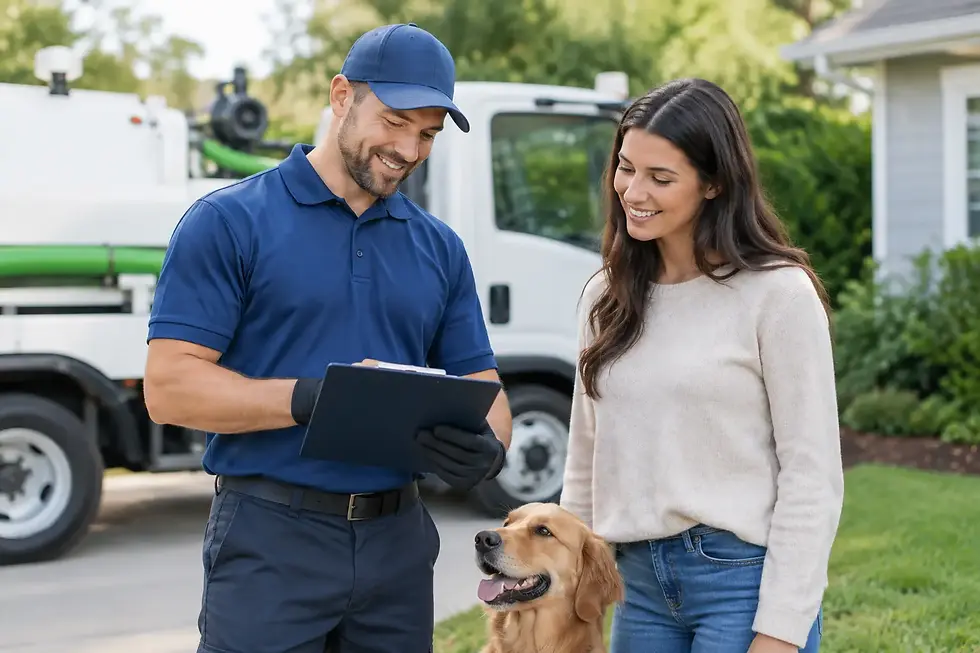
That is where professional pet waste removal makes sense. Instead of managing bags, tools, and missed cleanup days, you get a routine that stays on schedule. For busy families, working professionals, and multi-dog homes, that consistency is usually the biggest benefit.
A structured service also helps when you want more than just pickup. Some homeowners need offsite waste removal so nothing sits in their trash can. Others want odor control or yard sanitizing after waste has built up. Those details matter when convenience and hygiene are the priority, not just getting through the task.
If you are in New York, Long Island, Staten Island, or Northern New Jersey, a service like Drop & Scoop can be the practical answer when you want the yard handled reliably and without the usual hassle. That kind of recurring support is especially helpful when the goal is not one cleanup, but keeping the space clean all the time.
How to choose the best option for your home
If you are deciding between doing it yourself and hiring help, the right answer comes down to three things: how often the yard gets used, how much waste your dogs produce, and how much time you realistically want to spend on it. A one-dog household with a disciplined routine may do fine with simple bag-and-trash disposal. A larger household with a packed schedule may need a system that runs without constant attention.
The important thing is not finding the most creative method. It is finding one that keeps the yard sanitary, controls odor, and does not fall apart after a busy week. Dog ownership already comes with enough daily responsibilities. Waste removal should be handled in a way that keeps your home cleaner, not more complicated.
A clean yard changes how the whole space feels. Kids play more freely, guests do not have to watch every step, and your dog still gets the same outdoor time without the mess building up around them. When disposal is easy and consistent, the yard goes back to being part of your home instead of another task waiting outside.

Comments