
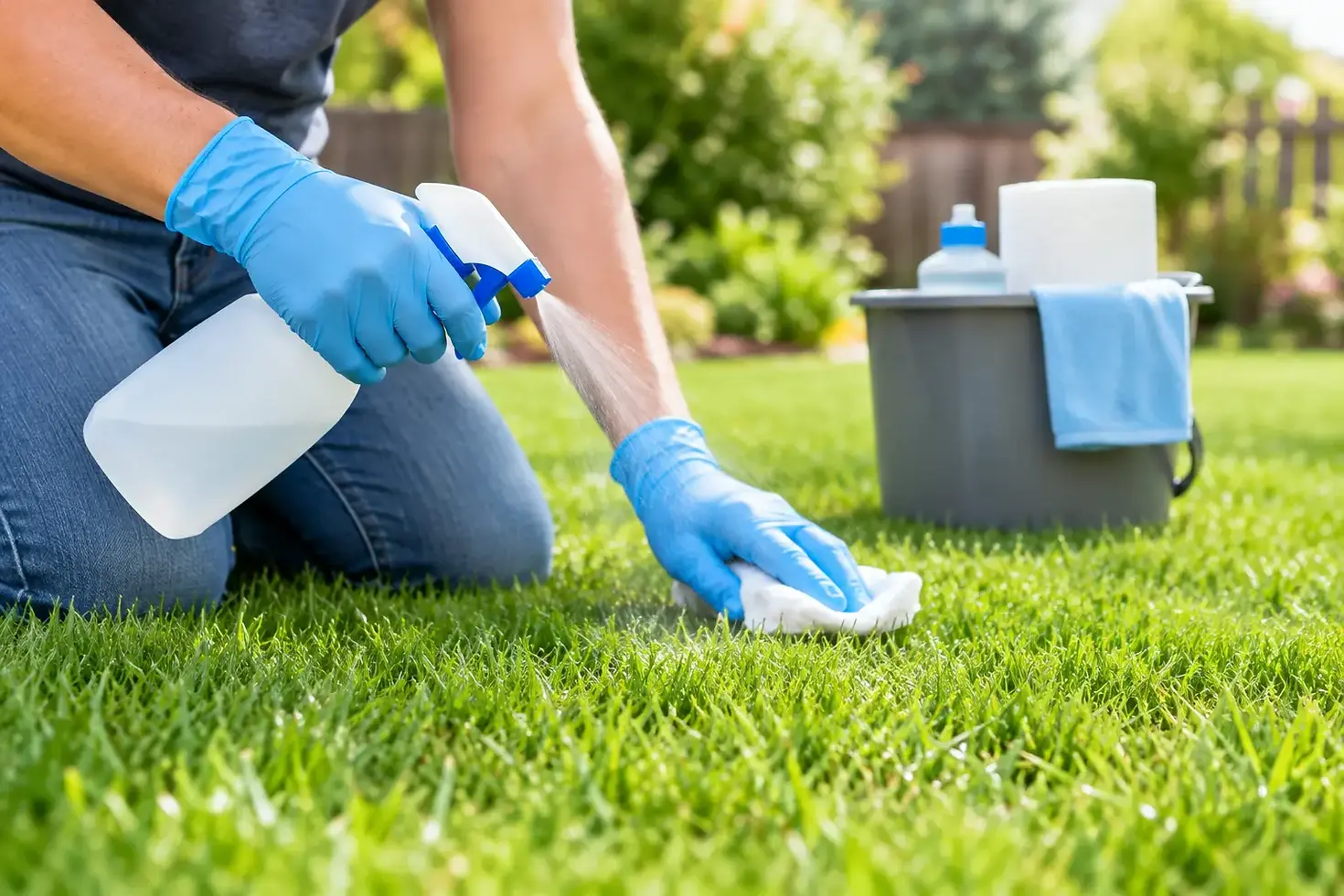
How to Sanitize Lawn After Diarrhea Safely
A single bout of dog diarrhea can turn a favorite patch of grass into a cleanup job you would rather not handle. The priority is to sanitize lawn after diarrhea quickly and safely - not by soaking the yard in harsh chemicals, but by removing waste thoroughly, limiting contact, and giving the area time to recover.
For homes with children, multiple dogs, or regular backyard guests, prompt cleanup helps keep the yard more comfortable and reduces the chance that contaminated waste gets tracked indoors. Here is a practical approach that protects your lawn without creating a bigger problem for your pets.
Start With Safe, Complete Waste Removal
Put on disposable gloves before handling diarrheal stool. If the area is wet or loose, use a scoop, flat shovel, or disposable scraper to lift as much material as possible without pressing it into the grass. A lined bag is helpful for containing the waste immediately.
For residue caught in longer grass, gently lift the blades with the edge of the scoop and remove what you can. Avoid hosing the mess into the soil or toward a storm drain. Water can spread bacteria and parasites beyond the original spot, especially on sloped yards or compacted soil.
Seal the bag and place it in your regular outdoor trash according to local waste rules. Then remove gloves carefully, discard them, and wash your hands with soap and warm water. Hand sanitizer is useful when you are outside, but it should not replace proper handwashing after pet waste cleanup.
How to Sanitize Lawn After Diarrhea Without Damaging It
Once solid waste is removed, the right next step depends on the size of the affected area, the weather, and whether anyone will be using the yard soon. Grass and soil are living systems, so stronger is not always better.
For a small, isolated spot, lightly rinsing the area with plain water can help dilute remaining residue after pickup. Do not flood it. The goal is to rinse the grass blades, not drive contaminants deeper into the soil or wash them across the lawn.
If the stool was especially watery or spread over a larger area, keep pets and people away from that section for several days. Sunlight, drying, and time all help reduce contamination on the surface. Marking the area temporarily can be useful if you have young children who play outside or a dog that tends to sniff and graze.
Commercial pet-safe yard sanitizers may be appropriate in some situations, but read the label closely. Use only products specifically intended for outdoor pet areas and follow dilution, contact-time, and re-entry instructions exactly. A disinfectant that is safe for a kennel floor may not be suitable for grass, garden beds, or a yard where pets lick their paws.
Do not use bleach, ammonia, or undiluted household cleaners on the lawn. These products can burn grass, irritate paws, harm beneficial soil organisms, and create fumes or residues that are unsafe for pets. Mixing cleaning products is also dangerous. When in doubt, remove the waste, use water sparingly, and restrict access while the area dries.
What About Lime, Vinegar, or Dish Soap?
Home remedies often sound convenient, but they come with trade-offs. Lime can alter soil chemistry and damage grass when overused. Vinegar may kill weeds, but it can also kill the turf you want to preserve. Dish soap can irritate skin and paws and may stress plants if used heavily.
These products do not reliably solve every sanitation concern, especially if parasites are involved. They are not a substitute for consistent waste removal and appropriate veterinary care when diarrhea continues.
Keep Dogs, Kids, and Shoes Away From the Area
After diarrheal waste is cleaned up, restrict access to the affected spot until it is dry and no visible residue remains. For most small incidents, this is a short-term precaution. If your dog had diarrhea because of a suspected parasite, gastrointestinal infection, or an unexplained illness, take extra care with the entire yard.
Dogs investigate with their noses and mouths. They may sniff, lick, or eat grass near a contaminated area, then carry residue inside on their paws. Children can do the same thing in a different way: playing on the ground, touching shoes, then touching their faces.
Keep outdoor shoes at the door, wipe paws after yard time, and wash hands after playing outside. These simple habits matter most when someone in the household is sick, immunocompromised, very young, or elderly.
When Diarrhea Means More Than a Mess
Not every loose stool indicates a serious medical issue. Dogs can have temporary digestive upset after eating something unusual, changing food too quickly, experiencing stress, or taking certain medications. But repeated diarrhea can also be associated with parasites, infections, food intolerance, or other health concerns.
Call your veterinarian if diarrhea lasts more than a day, happens repeatedly, contains blood, is paired with vomiting or lethargy, or affects a puppy, senior dog, or dog with an existing medical condition. Bring a fresh stool sample if your vet requests one. A fecal test can help identify issues that ordinary lawn cleaning cannot address.
If your dog is diagnosed with a parasite such as Giardia, ask your veterinarian about household and yard hygiene. The advice may include prompt stool removal, bathing your dog to reduce contamination in the coat, cleaning bowls and bedding, and preventing access to areas where diarrhea occurred. The best sanitation plan depends on the diagnosis, the weather, and the layout of your property.
Build a Routine That Keeps the Yard Cleaner
The easiest way to manage a diarrhea incident is to avoid having old waste already hiding in the grass. When a yard has several days or weeks of buildup, it becomes much harder to tell which spots are recent, where contamination may have spread, and what needs attention.
For one dog, regular weekly pickup may be enough for many households. Families with multiple dogs, small yards, or frequent outdoor play often benefit from more frequent service. During warm, wet weather, waste breaks down faster but odors and insect activity can increase, making consistent cleanup even more worthwhile.
A professional cleanup service can take the ongoing task off your list and provide a cleaner baseline after an unpleasant incident. Drop & Scoop offers recurring dog waste removal and one-time cleanups for homeowners who want the yard handled without adding another chore to the week.
A Quick Cleanup Plan for the Next Incident
When you spot diarrhea in the yard, act before anyone walks through it. Remove the waste with gloves and a scoop, bag it securely, lightly rinse only the affected grass if needed, and keep pets and children away until the spot dries. Wash your hands, clean any tools used, and monitor your dog for signs that the diarrhea is continuing.
For a larger mess, recurring digestive trouble, or a veterinarian-confirmed parasite, a more careful yard routine is sensible. The goal is not a chemically sterile lawn. It is a clean, usable outdoor space where your family and pets can relax with less mess, less odor, and more peace of mind.

Comments