
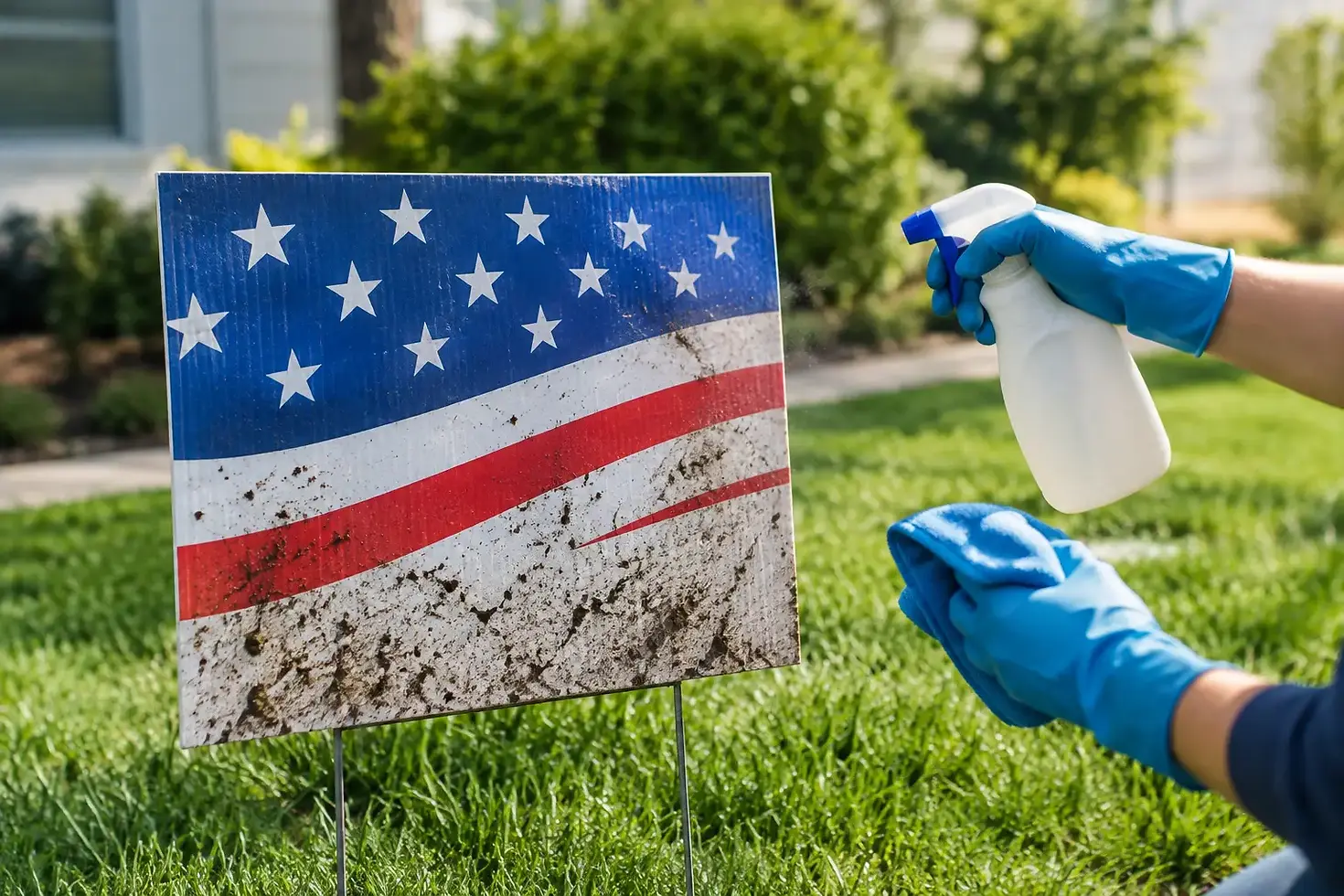
Contaminated Lawn Signs: When to Clean Up
A yard can look mostly clean and still have a pet waste problem. Contaminated lawn signs are not always dramatic, especially after rain, mowing, or a few busy weeks with multiple dogs. But lingering waste can affect how your yard smells, how comfortable it feels for kids and guests, and how confidently your family uses the space.
Dog poop is more than an unpleasant chore. It can carry bacteria and parasites, and it does not behave like fertilizer. When waste is left behind, it breaks down slowly, gets tracked through the grass, and may spread farther than the original pile. The good news is that a consistent cleanup routine can make a noticeable difference fast.
What Contaminated Lawn Signs Can Look Like
The most obvious sign is visible dog waste, but that is only one part of the picture. A lawn may also show buildup through persistent odor, discolored grass, flies, or areas the family has started avoiding. If you find yourself telling children not to play in one part of the yard, that is a practical sign that the space needs attention.
A strong odor is often easiest to notice on warm, humid days. Heat can make old waste smell more noticeable, particularly near patios, walkways, fences, and favorite dog bathroom spots. If your yard smells unpleasant even after you cannot immediately spot a pile, there may be waste hidden in taller grass, under leaves, or along the edges of the property.
Another clue is a lawn dotted with dark green or burned-looking patches. Pet waste can contain concentrated nitrogen. In small amounts, that may create unusually green grass, while heavier or repeated deposits can stress the turf and leave yellow or brown spots. Grass damage alone does not prove contamination - drought, lawn treatments, and insects can cause similar issues - but it is worth investigating when it appears alongside dog waste and odor.
Flies are another common warning. A few insects outside are normal. A repeated cluster around a particular area, however, can mean old waste is accumulating there. This is especially common in yards with more than one dog or when a household falls behind after travel, bad weather, or a demanding workweek.
Why Pet Waste Buildup Deserves Attention
Most dog owners would rather spend an afternoon outside than scan the yard with a scooper. Still, regular removal supports a cleaner home environment. Dogs walk through the grass, then come inside. Children may sit, play, or run barefoot in the same areas. Guests should not have to watch every step.
Pet waste may contain organisms that can make people or pets sick, including roundworms, hookworms, Giardia, and certain bacteria. Not every pile carries these risks, and a clean-looking yard is not automatically germ-free. That is why the practical goal is not perfection or panic. It is reducing exposure by removing waste promptly and preventing repeated buildup.
Rain can complicate the situation. Water may soften waste and carry particles into low spots, drains, garden edges, or areas where pets drink from puddles. In New York, Long Island, Staten Island, and Northern New Jersey, wet spring weather and humid summers can make a missed cleanup feel bigger quickly. A weekly routine is often enough for many homes, while multi-dog yards may benefit from more frequent service.
Check the Areas People Miss
A quick walk around the yard is more useful than looking only at the open lawn. Dogs tend to form habits, and their preferred spots are often not where you expect.
Check along fence lines, behind sheds, near shrubs, beside decks, and around the perimeter of a patio. Look under leaves and along the edges of longer grass. If you have a dog that uses one corner consistently, inspect that area closely and consider redirecting them to a designated bathroom zone when practical.
Do not forget the route from the door to the yard. Waste near gates, steps, and walkways is more likely to be stepped in and tracked indoors. This is also the area visitors notice first.
If you are doing the cleanup yourself, wear gloves, use a dedicated tool or bag, and wash your hands thoroughly afterward. Keep the collection equipment separate from gardening tools and children’s outdoor toys. For waste that is old, smeared, or difficult to locate, a thorough yard pass is safer than assuming the next rain will take care of it.
How Often Should a Yard Be Cleaned?
There is no single schedule for every household. It depends on the number of dogs, the size of the yard, how often the dogs use it, and whether children or guests regularly spend time outside.
For one dog in a larger yard, weekly cleanup is a reasonable starting point. A small yard, a multi-dog home, or a family that uses the lawn every day may need twice-weekly or even three-times-weekly visits. Waiting until the yard looks bad is usually the least convenient approach, because waste becomes harder to find and odor has more time to build.
Monthly cleanup can work as a maintenance option for very low-use yards, but it may not be enough after a stretch of rain or if your dog uses the same outdoor area several times a day. A one-time deep cleanup is a sensible reset when the yard has been neglected, after winter snow melts, or before hosting a backyard gathering.
Cleaning Up Without Creating More Problems
Picking up waste is the first step, but disposal matters too. Do not leave filled bags in an open bin near the house, where heat can create odor and attract insects. Use a sealed outdoor trash container, or choose an offsite waste removal option if you prefer not to keep pet waste on your property.
Avoid trying to solve the issue with harsh chemicals alone. Deodorizers can improve the smell, but they do not replace removal. Likewise, lawn products should be used carefully around pets and children. If you are considering a yard sanitization treatment, choose a pet-conscious service and ask how the treatment is applied, what it targets, and when the lawn can be used again.
It also helps to rinse hard surfaces that may have been soiled, such as a patio, pavers, or a dog run. Use the right cleaner for the material and follow product directions. For heavily used pet areas, regular sanitation can complement waste removal, but it should not become a substitute for keeping the ground clear.
When Professional Cleanup Makes Sense
A professional service is not only for yards that have gotten out of hand. It is for homeowners who would rather keep the task off their calendar. Recurring service makes the work predictable: the yard is checked on schedule, waste is removed, and you get back a cleaner space without adding another weekend chore.
This can be especially helpful for busy families, households with multiple dogs, older pet owners, new parents, or anyone managing a limited mobility issue. It also makes sense before a party, after a vacation, or when a yard needs a fresh start after months of missed cleanups.
Drop & Scoop provides one-time and recurring dog waste cleanup options so homeowners can choose a schedule that fits their household. A dependable visit schedule helps prevent the small problems - odor, missed piles, flies, and muddy paw tracking - from becoming the reason no one wants to use the yard.
A clean lawn is not about making your outdoor space look perfect. It is about making it feel ready: ready for your dog, your kids, your guests, and the quiet hour outside you have been looking forward to.


Comments