

Does Rain Wash Dog Poop Away? The Real Answer
A hard rain can make a backyard look refreshed, but it does not make dog waste disappear. If you have ever wondered, “does rain wash dog poop away?” the short answer is no. Rain changes the mess, often making it harder to see and more likely to spread, but it does not clean the yard for you.
That matters for families, pets, and anyone who wants to use their outdoor space without stepping around hidden surprises. In New York and New Jersey, frequent rain, humid summers, and snowmelt can all move pet waste through a yard in ways that are easy to overlook.
Does Rain Wash Dog Poop Away?
Rain can break down dog poop over time, especially if it is already soft or old. But breaking apart is not the same as washing away. A light rain may leave waste mostly intact. A heavy storm may flatten it into the grass, spread it across soil, or carry small pieces toward low spots, storm drains, and nearby waterways.
Instead of removing the problem, rain can turn one visible pile into a wider contamination issue. The waste may become less noticeable, but bacteria, parasites, and odor-causing material can remain in the yard.
How much rain changes the situation depends on several factors: the amount and intensity of rainfall, the age and consistency of the stool, the slope of your yard, and whether the ground is compacted, muddy, or well drained. A flat lawn with thick grass will behave differently than a sloped, patchy yard after the same storm.
What Rain Actually Does to Dog Waste
Fresh dog poop absorbs water quickly. As it softens, it can smear into grass, mulch, patio edges, and the bottom of shoes. Heavy rain can fragment waste into smaller pieces that are more difficult to scoop completely.
Rain also creates runoff. When water flows over a driveway, lawn, or sidewalk, it can carry pet waste residue with it. That runoff may collect in puddles, move into drains, or settle in areas where children and dogs play. Even if the solid waste is no longer obvious, the area is not necessarily clean.
The smell may seem reduced after a rainstorm because cooler air and wet ground can temporarily mask odors. Once the yard begins to dry, though, lingering waste and organic material can produce odor again. Warm, humid weather can make that more noticeable.
There is another practical issue: wet poop is simply harder to pick up. A pile that would have taken a few seconds to remove on a dry day can turn into a smear that requires a more careful cleanup. Waiting for rain to handle the job usually creates more work, not less.
Why Dog Waste Should Not Be Left for the Weather
Dog waste is not fertilizer. Unlike manure from grazing animals, dog poop is highly concentrated and can contain organisms that do not belong in your lawn, garden, or local water system.
Potential concerns include bacteria such as E. coli and Salmonella, along with parasites and parasite eggs that may be present in infected dogs. Not every pile carries the same risk, and a healthy dog receiving regular veterinary care is a good start. Still, there is no reliable way to look at a pile in the yard and know whether it contains something harmful.
For households with young children, this is especially relevant. Kids sit in the grass, touch outdoor toys, and may track soil indoors. Dogs can also walk through contaminated areas and carry residue back into the house on their paws. Rain does not remove that risk. It can distribute it.
Leaving waste out also makes your yard less enjoyable. It invites flies, creates persistent odor, and turns a space meant for play or relaxation into another chore waiting to happen.
The Best Time to Scoop After Rain
The best answer is simple: scoop as soon as you reasonably can. If a storm is approaching and you have time, cleaning the yard beforehand is ideal. You prevent waste from softening, spreading, or washing into low areas.
If it has already rained, wait until conditions are safe and the ground is not dangerously slick. Then pick up the visible waste promptly. Use a sturdy scooper or bag, and avoid pressing wet waste deeper into the lawn. If material has smeared onto a hard surface, remove the solid matter first and rinse the area according to local drainage rules.
For a small yard with one dog, a quick daily walk-through is often enough to keep waste from building up. Multi-dog households, busy families, and homes with children who use the yard may need more frequent attention. The right schedule depends on how quickly waste accumulates and how often the outdoor space is used.
How to Keep Your Yard Cleaner Through Wet Weather
Consistency is more effective than waiting for the forecast. A routine cleanup schedule keeps piles from sitting long enough to become a rain-related problem. It also means less time searching through wet grass after a storm.
Focus on the places dogs use most often. Many dogs return to the same corner, fence line, or edge of the lawn. Checking those areas daily makes cleanup faster and reduces the chance of old waste being missed.
Keep a designated cleanup station close to the door or gate. When bags, a scooper, and a covered disposal container are easy to reach, it is much easier to handle the mess before it gets soaked. A container with a secure lid can also help limit odor between trash days.
After a particularly wet week, inspect areas where runoff collects. Look near downspouts, the bottom of slopes, patios, play areas, and gates. These spots can hold small remnants that were carried from elsewhere in the yard.
If your lawn has persistent odor or a heavy buildup from missed cleanups, basic scooping may not be enough to restore the space. A thorough cleanup and appropriate yard sanitization can help address what is left behind. The goal is not a yard that merely looks clean from the patio. It is a space your family and pets can use comfortably.
When Professional Cleanup Makes Sense
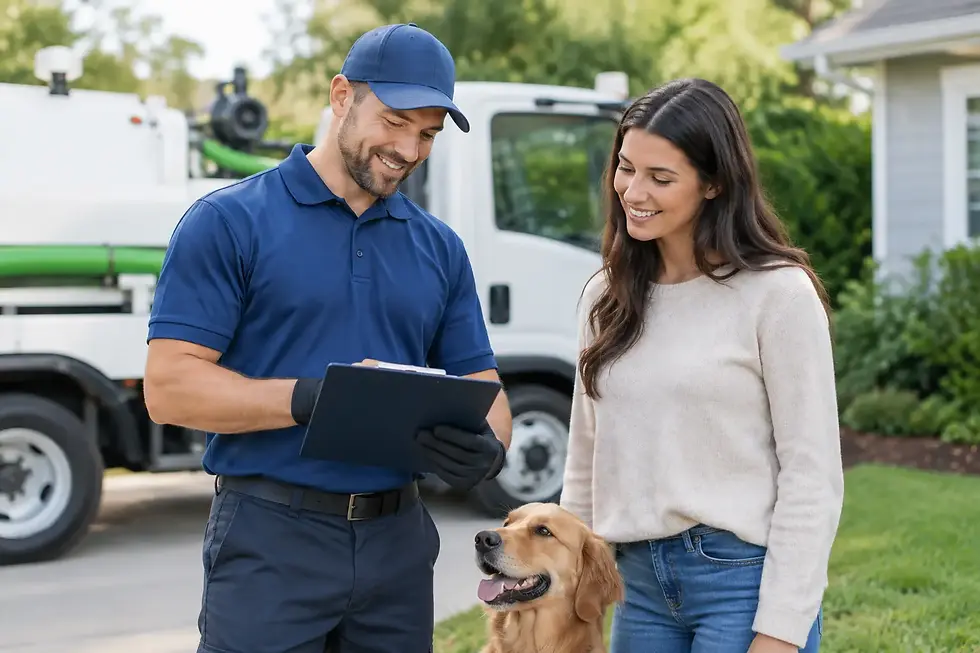
There is no prize for handling an unpleasant yard task after a long workday or a rainy weekend. Recurring pet waste removal is especially helpful for multi-dog homes, families with limited time, and homeowners who want the yard ready for kids, guests, and pets without adding another chore to the calendar.
A professional cleanup routine also helps prevent the cycle of “we will get to it when the weather improves.” The weather changes. The waste stays until someone removes it. With scheduled service, the yard is handled consistently, whether it rained yesterday or not.
Drop & Scoop provides one-time and recurring dog waste cleanup for homeowners across Long Island, Staten Island, and Northern New Jersey. Regular visits can keep waste from accumulating, making your yard easier to enjoy in every season.
Rain can rinse dirt from patio furniture and leave the grass looking greener, but dog poop needs a direct cleanup. Taking care of it promptly protects the comfort of your home, gives your dog a cleaner place to play, and lets you enjoy the next clear day without an unpleasant surprise underfoot.

Comments