Northern California Rescue Under Investigation: What Bay Area Shelters Are Doing Now
- admin374408
- Jun 10
- 3 min read

The recent investigation into a Humboldt County animal rescue has sent shockwaves through Northern California’s pet community. Bay Area shelters, including those in Oakland and Berkeley, are now carefully reviewing their vetting processes. This comes after serious allegations surfaced about the rescue’s practices, raising concerns about animal welfare and trust.
I want to walk you through what happened, how local shelters are responding, and what this means for pet owners and animal lovers in the region. It’s a story about accountability, care, and the steps needed to protect our furry friends.
What Sparked the Investigation
The trouble began when several animals rescued by the Humboldt County group showed signs of neglect and poor health. These cases caught the attention of Bay Area shelters, which often collaborate with rescues to find homes for animals.
After reports surfaced, Oakland and Berkeley shelters launched their own investigations. They wanted to understand how the rescue operated and whether their own partnerships might put animals at risk.
The allegations include:
Inadequate medical care for rescued animals
Poor living conditions before animals were transferred
Lack of proper documentation and health records
These claims raised red flags for shelters that pride themselves on high standards of care.
How Bay Area Shelters Are Changing Their Vetting Process
In response, shelters in Oakland and Berkeley are tightening their vetting procedures for rescue groups. They want to make sure every animal they accept has been treated well and is healthy enough for adoption.
Here are some of the key changes being made:
Stricter health checks before accepting animals from rescues
More thorough background checks on rescue organizations
Regular follow-ups after animals are placed in new homes
Clearer documentation requirements for medical history and care
These steps aim to prevent any future issues and protect animals from falling through the cracks.
The Role of Professional Pet Services in Supporting Animal Welfare
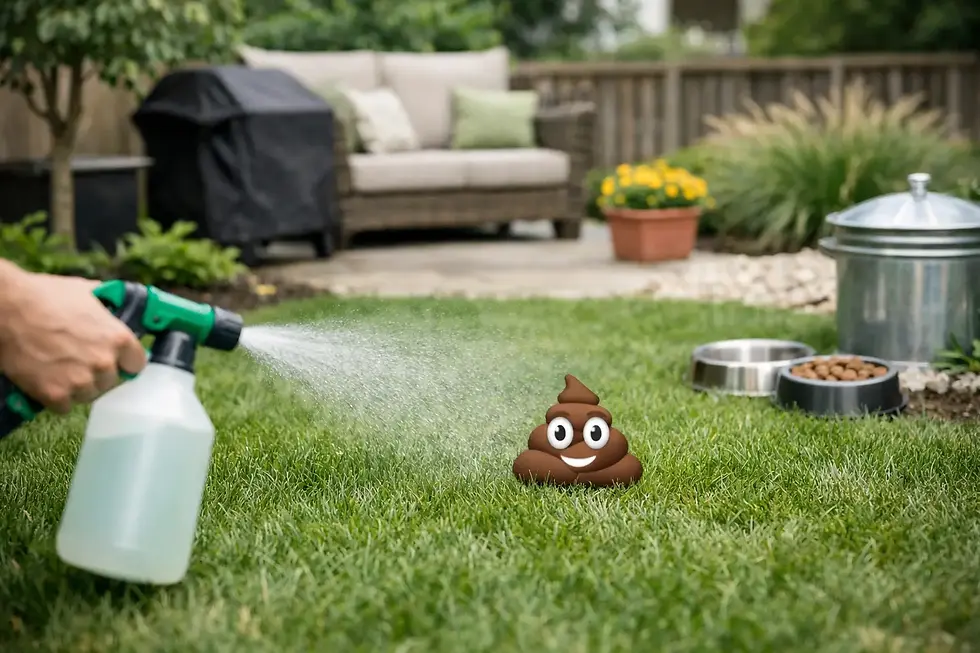
While shelters work on improving rescue vetting, pet owners and animal lovers can also play a role in maintaining clean, safe environments for pets. One service that stands out is professional dog waste removal. Keeping yards clean helps prevent the spread of disease and keeps pets healthy.
For example, Drop & Scoop offers reliable dog waste removal services in New York and New Jersey. Their team makes yard cleanup effortless, ensuring outdoor spaces stay hygienic and safe for pets and families. While this service is based on the East Coast, it highlights how professional help can support pet health everywhere.
You can learn more about their service here: Drop & Scoop Dog Waste Removal
Why Vetting Matters for Animal Rescues and Shelters
Vetting is more than just paperwork. It’s about trust and safety. When shelters accept animals from rescues, they rely on accurate information about the animal’s health and history. Without proper vetting, animals can suffer, and shelters may unknowingly pass on problems to adopters.
The recent investigation shows how important it is to:
Verify rescue group credentials
Confirm animals receive proper medical care
Ensure living conditions meet humane standards
This protects animals and helps shelters maintain their reputation as safe places for pets.

What Pet Owners Can Do to Help
If you’re a pet owner or animal lover, you can support shelters and rescues by:
Asking questions about an animal’s health and history before adopting
Supporting local shelters with donations or volunteering
Using professional services like dog waste removal to keep your yard clean
Reporting any signs of neglect or abuse to authorities
Every action helps create a safer environment for animals.
Looking Ahead: Building Stronger Partnerships
Bay Area shelters are now focused on building stronger, more transparent partnerships with rescue groups. This means clear communication, shared standards, and mutual accountability.
By working together, shelters and rescues can:
Improve animal care and welfare
Increase adoption success rates
Build community trust
This approach benefits everyone, especially the animals who deserve the best care.
Final Thoughts on the Northern California Rescue Investigation
The investigation into the Humboldt County rescue is a wake-up call. It reminds us that animal welfare depends on vigilance and care at every step. Bay Area shelters are taking important steps to improve their vetting processes, showing their commitment to protecting animals.
For pet owners, this is a good time to stay informed and support local shelters. Using services like Drop & Scoop can also help maintain a clean, healthy environment for your pets.
Together, we can make sure every animal gets the care and respect they deserve.
This article is for informational purposes only and does not replace professional advice or legal guidance.


Comments