
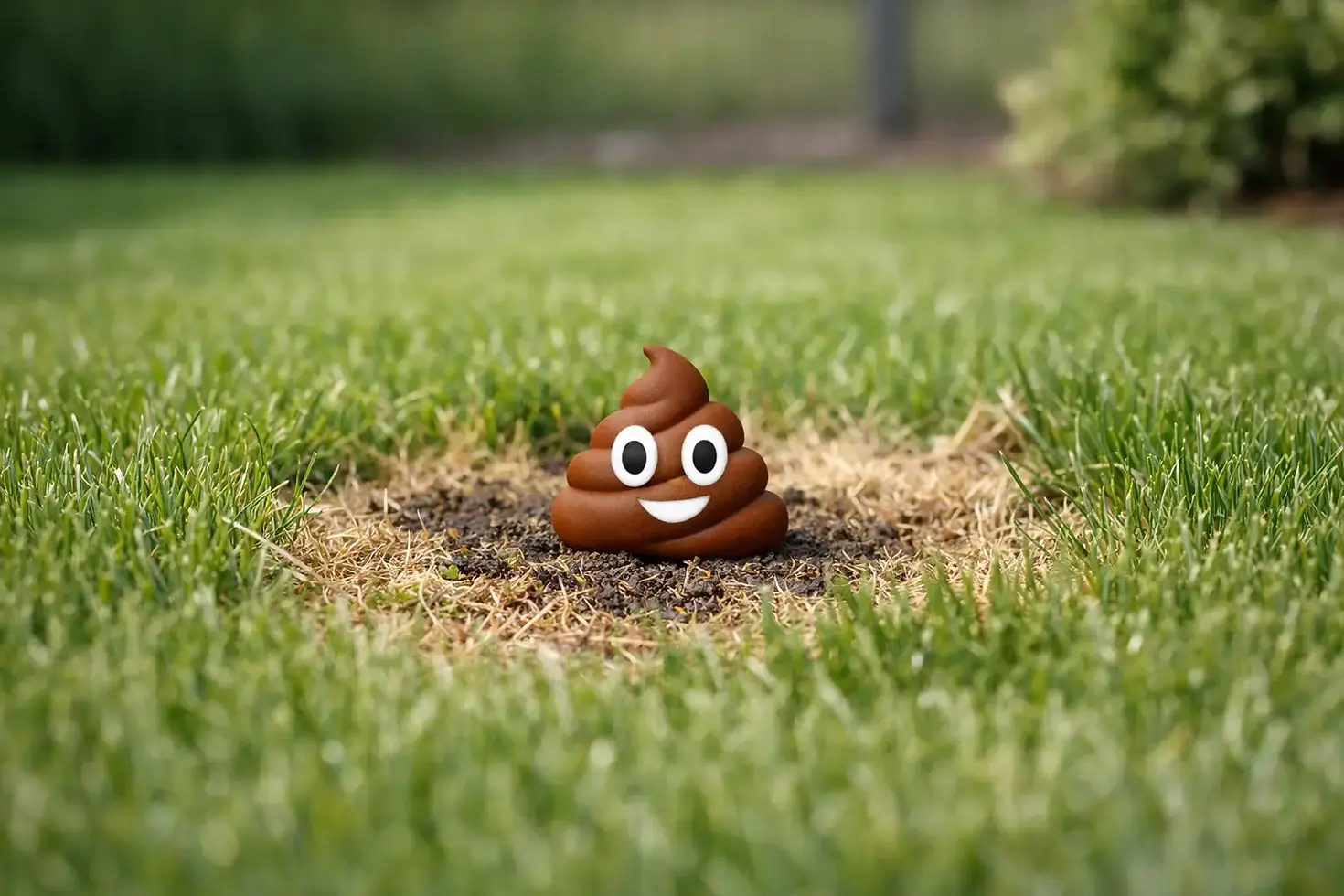
Is Dog Poop Bad for Grass? Yes - Here’s Why
- elienaakhan
- Jun 7
- 5 min read
You notice a few brown spots in the yard, maybe a patch of grass that never seems to bounce back, and the usual question comes up fast: is dog poop bad for grass? Yes - and not just because it looks bad.
Dog waste can damage healthy turf, create lingering odor, attract pests, and leave behind bacteria you do not want where your kids, guests, or pets spend time. If you have one dog, the damage may show up slowly. If you have multiple dogs or a smaller yard, it tends to show up much faster.
Is dog poop bad for grass or just unsightly?
It is genuinely bad for grass. A lot of homeowners assume dog poop works like manure and should break down into something useful for the lawn. That would be convenient, but it is not how dog waste behaves.
Cow manure is often used in agriculture because cows eat plant-based diets, and the waste can be composted and processed in controlled ways. Dogs eat high-protein diets, and their waste is much more acidic and nitrogen-heavy in a way that is hard on grass. Instead of feeding your lawn, it can smother it, burn it, and leave uneven dead patches behind.
That is why a yard with uncollected waste often starts looking stressed even when the rest of the lawn care is solid. You can water consistently, mow on schedule, and still end up with damaged spots if pet waste stays on the ground too long.
Why dog poop damages lawns
The main issue is concentration. Dog waste contains nutrients, bacteria, and compounds that do not break down in a balanced way on your lawn surface. When it sits in one place, it creates a hot spot that grass cannot handle well.
In practical terms, that means the grass underneath may yellow, thin out, or die. The surrounding soil can also be affected, especially if the same part of the yard gets used over and over. Many dogs naturally return to familiar bathroom areas, so one section of the lawn can take repeated hits.
Moisture makes it worse. In rainy stretches, waste can soften and spread into the surrounding grass. In hot weather, it can bake into the lawn and intensify the smell. Either way, leaving it there rarely helps.
It does not break down as cleanly as people expect
A common misconception is that if you leave dog poop alone long enough, nature will take care of it. Eventually, parts of it do decompose, but that does not mean the area becomes clean or lawn-friendly in the process.
While it breaks down, it can introduce bacteria and parasites into the soil. It can also leave behind residue that gets tracked into the house or spread around the yard by rain, shoes, mower wheels, or paws. So even if the pile seems to disappear visually, the problem often does not fully disappear with it.
It can block sunlight and airflow
Grass needs light, airflow, and reasonably balanced soil conditions to stay healthy. A pile of dog waste sitting on top of the lawn creates a barrier. That sounds minor until it happens repeatedly across the same areas.
Underneath that pile, grass blades get flattened and stressed. Add concentrated waste and moisture, and you have a reliable recipe for brown spots.
The health side matters too
For many homeowners, lawn damage is what gets their attention first. But the bigger issue is often hygiene.
Dog waste can carry harmful bacteria and parasites, including organisms that may affect other pets and people. That matters more than most people realize, especially in yards where children play, dogs roll around, or people walk barefoot from the patio to the grass.
Even healthy-looking dogs can leave behind waste that should not be left sitting in shared outdoor spaces. If the yard is part of daily life, regular cleanup is not just about appearance. It is about making the space safer and easier to use.
Is dog poop bad for grass in every yard?
Yes, but the degree of damage depends on a few factors. A large yard with one small dog may not show obvious lawn issues right away. A compact yard with two or three dogs can show wear quickly.
The biggest variables are how often the yard is used, how long waste sits before removal, weather conditions, and whether dogs tend to go in the same area every time. In smaller suburban yards, repeated use creates concentrated impact. That is one reason busy households often feel like they can never fully stay ahead of it.
If you are in New York or Northern New Jersey, seasonal changes can also affect how noticeable the problem becomes. Summer heat tends to amplify odor and lawn burn, while wet periods can spread contamination and soften the ground around affected spots.
What happens if you leave it too long?
At first, the problem seems manageable. One pile becomes two, then a handful, and before long the yard feels like a job waiting for you every time you look outside.
The grass can thin out. Odor builds up. Flies and other pests may start showing more interest. Cleanup also gets harder, especially after rain or after waste has been stepped on, smeared, or partially decomposed.
For homeowners who mow their own lawns, there is another issue. Running a mower over old waste spreads it. That can leave residue on the mower, on the lawn, and sometimes on nearby walkways. It turns a simple yard task into a mess no one wants to deal with.
How often should dog poop be removed?
For most homes, the best answer is simple: as often as possible.
If you want to protect the lawn and keep the yard sanitary, daily pickup is ideal. Realistically, that does not always happen. Work schedules fill up, weekends get busy, and pet waste is easy to put off until the buildup becomes hard to ignore.
That is why recurring cleanup works well for many households. Weekly service is enough for some homes, while multi-dog yards may benefit from twice-weekly or more frequent visits. The right schedule depends on the number of dogs, yard size, and how much you want to stay ahead of odor and lawn stress.
Can grass recover after dog waste damage?
Sometimes, yes. If the damage is light and cleanup starts quickly, grass may recover with watering, time, and normal lawn care. But if the same spots have been used repeatedly, recovery can be slower.
In worn areas, you may need to rake out residue, water the spot, and reseed or patch the lawn. That said, repair only goes so far if the root problem stays the same. If waste keeps collecting in the yard, the damage often returns.
This is where consistency matters more than perfect lawn treatment. A clean yard gives your grass a fair chance to grow evenly.
The easiest way to protect your lawn
The best thing you can do is remove dog waste before it has time to sit, spread, and soak into the grass. That is the most direct fix. It protects the lawn, cuts down on odor, and makes the yard more pleasant to use.
For some homeowners, that means building a daily habit. For others, it means handing the job off so it actually gets done on schedule. A professional service like Drop & Scoop can be especially helpful for busy families, working professionals, and multi-dog households that want a clean yard without adding another chore to the week.
There is no complicated formula here. Dog poop and healthy grass do not mix well. The sooner it is removed, the better your lawn looks, smells, and feels.
A clean yard is one of those things you appreciate every single day once it stays that way.


Comments