

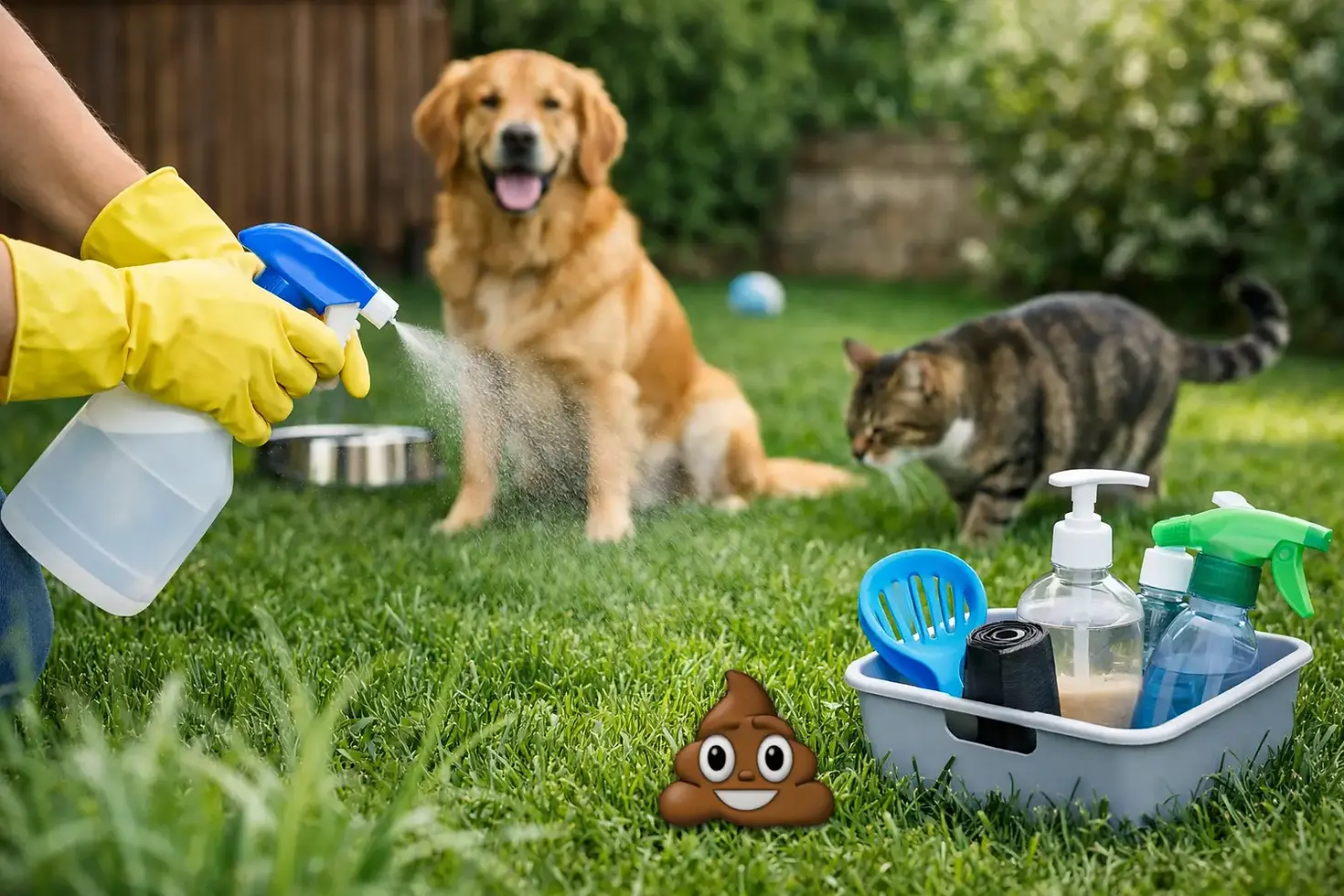
How to Sanitize Pet Yard the Right Way
That moment when the kids want to run outside, the dog is circling the same worn patch of grass, and the yard still smells a little off - even after waste pickup - is usually when homeowners start asking how to sanitize pet yard areas properly. The short answer is that picking up poop is the first step, not the whole job. If you want a yard that feels cleaner, smells better, and is safer for pets and people, sanitation has to go beyond waste removal.
Why yard sanitizing matters after waste pickup
Dog waste leaves behind more than what you can see. Even after the solid mess is gone, residue can remain in the grass, soil, gravel, turf, and along the edges where dogs tend to return again and again. Urine adds another layer. It can create odor, stress grass, and leave concentrated spots where bacteria and smells linger.
This matters most in yards with frequent use. If you have multiple dogs, a small run area, kids who play outside, or a patio close to the pet zone, buildup happens faster than many homeowners expect. Warm weather speeds it up. Rain can spread residue into surrounding areas. And if the yard already has drainage issues, sanitation becomes less about appearances and more about hygiene.
A clean-looking yard is good. A yard that is actually sanitized is better.
How to sanitize pet yard areas safely
The best approach is simple, consistent, and safe for animals. Start by removing all visible pet waste. If even a few piles are left behind, any disinfecting step becomes less effective because organic matter blocks cleaners from reaching the surface beneath.
Once waste is removed, rinse the high-use areas with water. This helps dilute urine and loosen residue in grass, artificial turf, concrete, pavers, and gravel. For many homeowners, that alone improves odor, but it does not fully sanitize the area.
The next step is using a pet-safe yard sanitizer or deodorizing treatment designed for outdoor surfaces. This is where people often make mistakes. Household bleach, harsh degreasers, and strong disinfectants may sound effective, but they can damage grass, irritate paws, and create runoff concerns. What works on a bathroom floor is not always right for a yard where pets sniff, lick, and roll.
A yard-safe sanitizing product should be labeled for outdoor pet areas and used exactly as directed. Some are made to neutralize odor. Others target bacteria. Some do both. The right product depends on the surface. Natural grass, artificial turf, gravel, and concrete do not all respond the same way.
The right method depends on your yard surface
Natural grass
Grass is the most forgiving surface, but it still needs regular care. Pick up waste promptly, then rinse urine-prone spots to reduce burn and odor. If you are sanitizing grass, use a product that is specifically safe for lawns and pets. Oversaturating the same area with cleaning agents can stress the lawn, so more is not always better.
If your dog uses one corner of the yard every day, rotate the potty area when possible. That gives the grass time to recover and helps prevent one section from becoming the permanent odor zone.
Artificial turf
Turf can look clean while trapping odor underneath. Solid waste needs to be removed quickly, then the area should be rinsed thoroughly. For deeper sanitation, turf-safe enzyme or disinfecting treatments are often used to reach the fibers and backing where smell can build up.
If your turf has poor drainage, sanitation becomes harder. The issue may not be the cleaner. It may be what is trapped below the surface. In those cases, a deeper professional treatment often makes more sense than repeating store-bought sprays that only mask the smell.
Gravel and stone
Gravel drains well, but it also holds residue in the gaps. That can make odors stubborn, especially in warm months. Rinsing helps, but gravel pet areas usually need periodic sanitizing treatments to break down buildup. If the smell keeps returning quickly, the gravel may need to be refreshed or replaced in the most heavily used section.
Concrete, pavers, and patios
Hard surfaces are easier to clean but can hold strong odor if urine dries repeatedly in the same place. Rinse first, then use a pet-safe cleaner that can sit long enough to work before being rinsed away. Scrubbing may be needed in textured spots or grout lines.
What not to use when sanitizing a pet yard
If you are figuring out how to sanitize pet yard spaces without creating a new problem, avoid the common shortcuts. Bleach is the big one. It can kill grass, irritate pets, and create fumes that do not belong in an outdoor play area. Ammonia-based cleaners are also a poor choice because their smell can mimic urine and encourage dogs to mark the same spot again.
Strong fragrance is not the same as sanitation. A product that simply covers odor may leave the source behind. That is why enzyme-based or pet-area-specific treatments tend to be more useful than general outdoor cleaners.
Homemade mixes can work in limited cases, but they are hit or miss. Vinegar, for example, may help with mild odor on some hard surfaces, but it is not a complete sanitizing plan for a busy dog yard.
How often should you sanitize?
It depends on how your yard is used. A large yard with one dog and fast waste pickup may only need occasional sanitizing in the most used areas. A smaller yard with two or three dogs may need much more frequent attention, especially in summer.
As a general rule, sanitation should happen more often when odor lingers after cleanup, when pets repeatedly use the same area, after rain followed by heat, or anytime the yard gets heavy traffic from children and guests. If you can smell the yard before you step into it, that is usually a sign the area needs more than scooping.
For many households, the real solution is a routine. Waste removal keeps the problem from growing. Periodic sanitizing handles what pickup alone leaves behind.
When DIY works - and when it does not
A do-it-yourself approach can work well if your yard is manageable, your dog uses a broad area instead of one concentrated spot, and you are consistent about cleanup. If you stay ahead of the mess, sanitation is easier, faster, and less expensive.
But there are cases where DIY stops being practical. Multi-dog homes, small urban or suburban yards, artificial turf installations, and long periods between waste removal can all make sanitizing tougher. The same goes for homeowners who simply do not want to spend part of their weekend spraying, scrubbing, rinsing, and repeating.
That is where professional service has a real advantage. A recurring poop cleanup schedule reduces buildup before it becomes a bigger sanitation issue. And when odor control or yard sanitization is added, the results tend to last longer because the yard is being maintained instead of reset from scratch each time.
For busy homeowners in New York and New Jersey, especially those juggling work, kids, and multiple pets, that consistency is often the difference between a yard that is technically usable and one that actually feels clean.
Signs your yard needs deeper sanitizing
Some yards tell you pretty clearly. Persistent odor is the most obvious sign, especially if it returns soon after waste pickup. Yellowing grass in repeated potty zones, slick spots on turf, flies around certain areas, and reluctance from family members to use the yard are also clues.
Another sign is when guests notice the smell before you do. Homeowners can get used to gradual odor buildup. Someone visiting for the first time usually cannot.
How to keep the yard cleaner between treatments
The best maintenance habit is simple - remove waste as quickly as possible. The longer it sits, the more residue and odor it leaves behind. Rinsing high-use spots a few times a week helps too, especially during hot weather.
If your dog always heads to the same corner, consider lightly training a rotation to reduce concentration. Keep drainage in mind as well. Standing water and soggy patches make sanitation harder and smells stronger.
If you use a service, consistency matters. A dependable cleanup schedule keeps the yard from slipping back into a cycle of buildup, odor, and catch-up cleaning. That is one reason homeowners choose recurring support instead of waiting until the yard becomes a project.
A sanitized pet yard is not about making your outdoor space sterile. It is about making it more comfortable, more hygienic, and easier to enjoy. The cleaner the routine, the less you have to think about the mess - and that is usually the whole point.


Comments