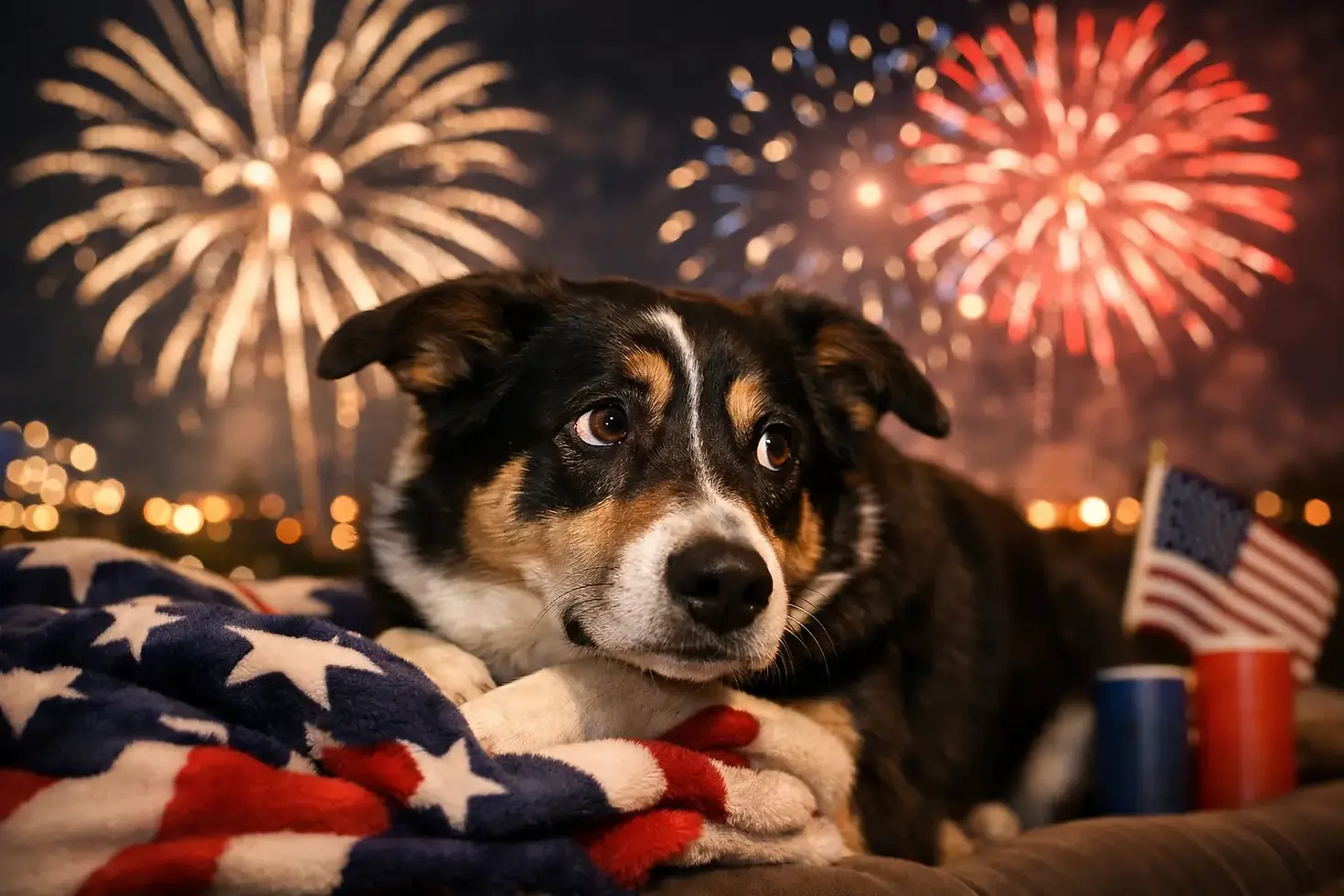
Fireworks and Fourth of July for Dogs
- elienaakhan
- Jul 3
- 6 min read
The first boom usually hits before the sun goes down, and for a lot of dogs, that is when the night starts going sideways. Fireworks and Fourth of July for dogs can turn a normal evening into hours of pacing, shaking, hiding, barking, or trying to bolt out the door. If you have a dog who struggles with loud noise, a little planning goes a long way.
The good news is that most dogs do better when their environment feels controlled and predictable. You do not need a perfect setup. You need a safe indoor space, a realistic plan for bathroom breaks, and a calm routine that does not leave your dog guessing what comes next.
Why fireworks are so hard on dogs
Dogs hear at a much higher range than people do, so fireworks are not just loud - they are sharper, stranger, and harder to ignore. The sound comes without warning, often in waves, and it is paired with flashes, smoke, and activity outside. For some dogs, that combination triggers panic. For others, it causes lower-level stress that still lasts all evening.
Age, breed, history, and temperament all matter. A young confident dog may recover quickly after a few pops outside. A rescue dog, a senior dog, or a dog with existing anxiety may have a much harder time. There is no prize for seeing how much noise your dog can tolerate. If your dog is uncomfortable, treating the holiday like a management problem instead of a training opportunity is usually the smarter move.
Fireworks and Fourth of July for dogs starts before dark
Most July Fourth problems begin earlier in the day, not during the fireworks show itself. If your dog has energy to burn, now is the time to handle it. Give them a walk, some play, or a food puzzle well before evening. You want a dog who is physically settled, not one who has been waiting all day for stimulation and then gets hit with loud noise after sunset.
Bathroom timing matters too. Try to get your dog outside for a final potty break before neighborhood fireworks really start. In many areas, especially dense suburbs and neighborhoods in New York and New Jersey, random fireworks can begin long before the official displays. That means waiting until late evening may backfire if your yard or street is already noisy.
Feed dinner on time or slightly early. Keep the routine normal. Dogs pick up on household tension fast, so if everyone is rushing around, watching the sky, and leaving doors open for guests, your dog may already be on edge before the first firework goes off.
Set up a safe indoor space
The best place for most dogs on the Fourth of July is inside. A fenced yard is not enough. Even dogs who never try to escape can panic and look for a way out when fireworks start.
Choose one part of the home where your dog can settle. For some dogs, that is a crate covered partially with a blanket if they already like their crate. For others, it is a bedroom, basement, bathroom, or quiet interior room with the curtains closed. Add familiar bedding, a favorite toy, and something to chew or lick. White noise, a fan, TV, or calm music can help soften sudden sound spikes.
If your dog follows you from room to room, do not overcomplicate it. Their safe place may simply be wherever the family is, as long as the room is secure and the outside noise is reduced. What matters most is that the environment feels predictable.
Keep doors, gates, and windows secure
Holiday traffic creates distractions. Guests arrive, kids run outside, people carry food in and out, and someone always forgets to fully latch a gate. That is risky on any day, but especially risky when fireworks are involved.
Check collars and tags before evening. If your dog is microchipped, make sure the contact information is current. This is basic, but it matters. Many lost pets on July Fourth are loved, well-cared-for dogs who simply got scared and found an opening.
What helps dogs stay calmer during fireworks
Start with the simplest tools first. Close windows and blinds. Stay with your dog if they want your company. Offer a long-lasting chew, stuffed toy, or treat scatter if they are still willing to eat. Some dogs benefit from pressure wraps or anxiety vests, though these are not magic for every dog.
Your own behavior matters, but not in the old-fashioned “ignore the dog” sense. If your dog is scared, calm reassurance is fine. Sit nearby. Speak normally. Let them lean on you if that helps. You are not rewarding fear. You are helping your dog feel safe.
What does not help is forcing exposure. Dragging a reluctant dog outside to “get used to it” can make the fear worse. The same goes for bringing a dog to a fireworks event because you think they will adjust. Most dogs do not need front-row seats to a holiday display. They need distance from it.
When to ask your vet for help
If your dog pants heavily, drools, trembles, refuses food, tries to escape, or stays distressed long after the noise stops, talk to your veterinarian before the holiday. Some dogs need more than environmental support. There are prescription options and behavior plans that can make a real difference.
This is especially true if your dog has a history of severe noise aversion. Do not wait until the afternoon of July Fourth if you already know your dog struggles every year. A proactive plan is easier and safer than trying to manage a full panic response in real time.
Yard time needs extra caution on the Fourth
Even dogs who usually love the yard may not want to be outside once fireworks start. Keep leash walks short and practical, and do them earlier than usual when possible. If your dog does need a late bathroom break, go with them, keep them leashed, and stay focused.
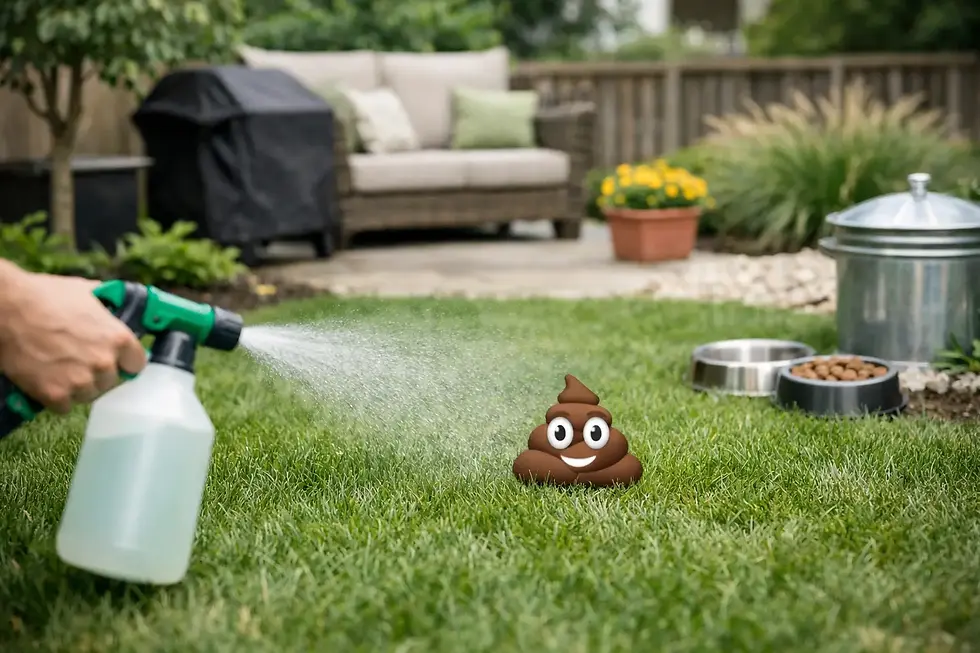
A clean yard can also help during stressful nights. If your dog is already reluctant to go out, the last thing you want is to spend extra time navigating mess, odor, or distractions in the dark. A tidy outdoor space makes quick potty breaks easier and lowers the chance that your dog lingers outside when they should be heading right back in.
If you are hosting, be careful with common party leftovers as well. Corn cobs, skewers, greasy scraps, alcohol, and dropped desserts create a different kind of holiday emergency. Anxiety and stomach trouble are a rough combination.
Fireworks and Fourth of July for dogs in busy neighborhoods
For dog owners in tighter neighborhoods, the challenge is not just one big show. It is the uneven pattern of noise. A few fireworks at 6:30, more at 8:00, then bursts until midnight. That unpredictability is often harder on dogs than a single scheduled event.
Plan around that reality. Finish walks early. Do not assume the noise starts only after dark. If your dog is sensitive, move your evening routine up and keep the house closed down sooner than you think you need to.
This is also where household coordination helps. Make sure everyone knows the dog is staying inside, exterior doors should stay shut, and no one is bringing the dog out to “see what happens.” Clear plans prevent avoidable mistakes.
The day after matters too
Some dogs bounce back the next morning. Others stay jumpy for a day or two, especially if fireworks continue over the holiday weekend. Keep expectations low if your dog seems tired, clingy, or more reactive than usual.
Go back to normal routine as steadily as you can. Offer regular walks, meals, and downtime. If there is debris in the yard from your own celebration or nearby activity, clear it before letting your dog explore. Small bits of packaging, food waste, and firework remnants are not things you want a curious nose investigating.
If your dog had a very hard night, make a note of what helped and what did not. That gives you a better plan for the next holiday, neighborhood event, or thunderstorm. Sometimes good dog care is not about fixing the problem once and for all. It is about making each stressful event more manageable than the last.
A calm Fourth of July usually comes down to simple choices made early: keep your dog inside, keep the routine steady, and reduce the number of things that can go wrong. Your dog does not need a festive night. They need to feel safe, and that is more than enough.


Comments