
Doggy Ice Cream: Safe Summer Treats for Dogs
- elienaakhan
- 5 days ago
- 5 min read
A frozen treat can make a hot afternoon more comfortable for your dog, but doggy ice cream is not simply regular ice cream with a cute name. Many human desserts contain ingredients that can upset a dog's stomach or create a more serious health risk. The best version is simple, portioned for your dog, and made with ingredients you recognize.
For busy pet parents, that matters. A treat should add a little joy to the day, not lead to a restless night, an upset stomach, or an unexpected call to the vet.
What Is Doggy Ice Cream?
Doggy ice cream is a frozen snack made specifically for dogs. It may come in a store-bought cup, a frozen chew, or a homemade mold. Most safe options use a dog-friendly base such as plain yogurt, banana, pumpkin puree, or peanut butter in small amounts.
The goal is not to recreate a rich human sundae. Dogs do not need added sugar, chocolate, candy pieces, syrups, whipped cream, or a long list of flavorings. A good frozen treat is closer to a small, chilled snack than dessert.
That distinction is especially helpful for dogs with sensitive stomachs. Rich foods can cause diarrhea, gas, vomiting, or discomfort, even when the ingredients are not technically toxic. For some dogs, a few licks are plenty.
Why Regular Ice Cream Is Usually a Bad Choice
A bite of plain vanilla ice cream is unlikely to harm every dog, but it is not a habit worth building. Many adult dogs have trouble digesting lactose, the sugar found in milk. The result may be loose stool, bloating, or stomach pain after what seemed like a harmless treat.
Human ice cream is also high in fat and sugar. Dogs prone to weight gain, digestive issues, or pancreatitis may react poorly to rich foods. Flavors and mix-ins create even more concerns. Chocolate is unsafe for dogs, while raisins and grapes can be dangerous. Sugar-free products may contain xylitol, sometimes listed as birch sugar, which is highly toxic to dogs.
Even a flavor that sounds simple can hide problems. Cookie dough, caramel, coffee, mint, and candy-style ice creams often contain ingredients dogs should not have. When in doubt, keep the human dessert for the humans.
Safe Ingredients for Homemade Doggy Ice Cream
Homemade doggy ice cream gives you control over what goes into the bowl. Start with one or two familiar ingredients your dog already tolerates well. Plain, unsweetened yogurt with live cultures can work for some dogs, although lactose-sensitive dogs may do better with a dairy-free option made specifically without harmful sweeteners.
Mashed banana adds a naturally sweet texture. Plain canned pumpkin puree is another popular choice because it is mild and easy to portion. Be sure it is pure pumpkin, not pumpkin pie filling, which may contain sugar and spices. Unsweetened applesauce can work too, as long as it does not contain xylitol.
Peanut butter is a favorite for many dogs, but read the label every time. Choose plain peanut butter without xylitol, chocolate, excess salt, or added sweeteners. Because it is calorie-dense, use it as an accent rather than the main ingredient.
For a light, easy option, freeze low-sodium broth made for dogs or plain water with a few small pieces of dog-safe fruit. Blueberries, strawberries, seedless watermelon, and peeled apple pieces without seeds are reasonable additions for many dogs. Keep pieces small, especially for eager eaters.
Two simple frozen treat ideas
For a creamy treat, blend plain yogurt, mashed banana, and a spoonful of pure pumpkin. Spoon the mixture into an ice cube tray or small silicone mold and freeze until firm. A small dog may only need one cube, while a larger dog can enjoy a slightly bigger portion.
For a lighter option, place a few blueberries or tiny watermelon pieces in a mold, cover them with water, and freeze. This creates a refreshing snack with fewer calories than a creamy recipe. Supervise your dog while they enjoy it, particularly if they tend to gulp food instead of licking slowly.
How Much Doggy Ice Cream Should Your Dog Have?
Size, activity level, daily diet, and health history all matter. Treats should generally stay a small part of your dog's daily calories, and frozen treats count just like biscuits and chews do. A tiny dog does not need a full cup of anything frozen, no matter how enthusiastically they ask.
Start with a teaspoon or a small ice cube for a first-time treat. Watch for signs of digestive trouble over the next day, including vomiting, diarrhea, gassiness, or unusual licking of the lips. If your dog does well, you can offer an appropriately small portion occasionally.
Dogs with diabetes, food allergies, kidney disease, pancreatitis, obesity, or a history of gastrointestinal issues need more caution. Ask your veterinarian before introducing new ingredients. The same is true for puppies, whose digestive systems can be more sensitive than those of healthy adult dogs.
Cold treats can also bother some dogs' teeth or gums. If your dog backs away, chews awkwardly, or seems uncomfortable, let the treat soften for a few minutes before serving. A chilled, soft snack is still a treat.
What to Check on Store-Bought Doggy Ice Cream Labels
Commercial products can be convenient, particularly when you want a ready-to-serve option after a long walk or a backyard play session. Still, a package that says it is made for dogs is not a reason to skip the ingredient list.
Look for a short, understandable list and a feeding recommendation based on your dog's size. Check calories per serving, especially if your dog receives other treats during the day. Avoid products with xylitol, chocolate, grapes or raisins, macadamia nuts, artificial sweeteners not recommended for dogs, and unnecessary added sugar.
Pay attention to storage and thawing directions, too. A treat left outside on a hot New York or New Jersey summer day can melt quickly, attract insects, and turn a clean patio into a sticky mess. Serve it in a washable bowl, then pick it up when your dog is finished.
Make Treat Time Easier on Your Yard
Frozen snacks are best enjoyed in a spot that is easy to rinse, such as a patio, deck, or washable outdoor mat. This helps keep grass from getting sticky and discourages ants from showing up where your family and dog like to relax.
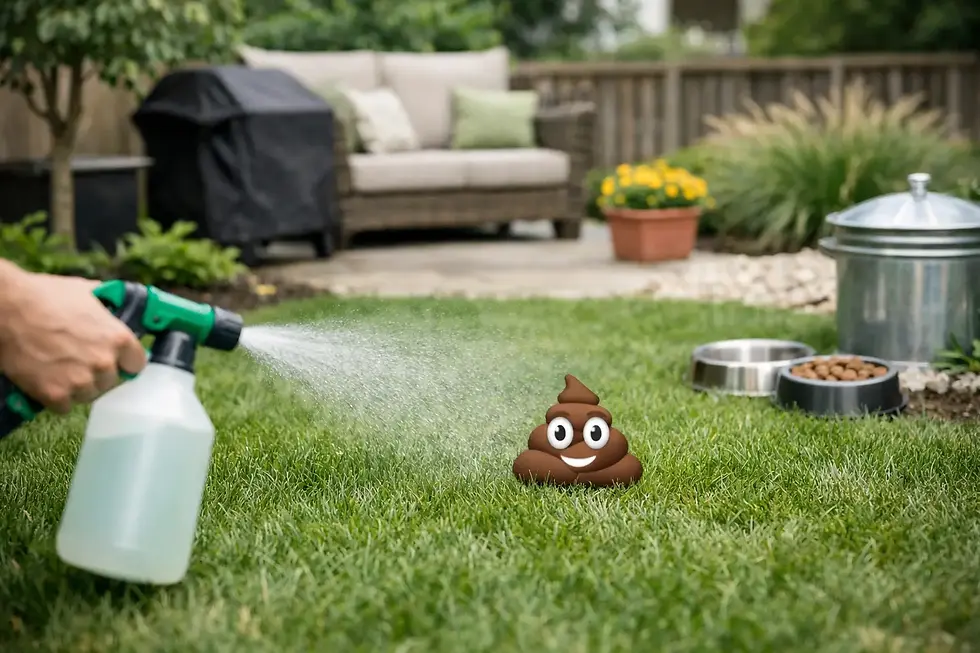
If your dog enjoys treats in the yard, regular pet waste removal matters as well. A clean outdoor space gives kids, guests, and dogs more room to enjoy summer without stepping around unpleasant surprises. It also makes it easier to notice when your dog has had loose stool or other changes that may be worth monitoring.
For multi-dog households, serve treats separately when needed. Even friendly dogs can become protective around high-value food. Giving each dog enough space keeps the moment calm and prevents a frozen snack from turning into a reason to compete.
A Cool Treat Is Not a Substitute for Heat Safety
Doggy ice cream can feel refreshing, but it will not prevent overheating. On hot days, provide fresh water, shade, and breaks from activity. Avoid long walks during the hottest part of the afternoon, especially for flat-faced breeds, senior dogs, puppies, and dogs with thick coats.
Watch for heavy panting, excessive drooling, weakness, vomiting, confusion, or trouble walking. These can be signs of heat-related illness and require prompt action. Move your dog to a cool area and contact a veterinarian right away if symptoms are severe or do not improve.
A small frozen treat is one pleasant part of summer care. Keep it simple, serve it thoughtfully, and let your dog enjoy it where the whole family can relax in a clean, comfortable space.


Comments