
Dog Food Recipe Basics for Safer Meals
- elienaakhan
- 2 days ago
- 6 min read
That chicken, rice, and carrot bowl can look wholesome enough to share on your own dinner table. But a good dog food recipe is not really about what looks healthy to people. It is about whether your dog is getting the right balance of protein, fat, vitamins, minerals, and calories - consistently, not just occasionally.
That distinction matters more than most pet owners realize. Homemade meals can be a thoughtful choice, especially if your dog has sensitivities, strong preferences, or needs a simpler ingredient list. But they can also go off track fast when portions are improvised, supplements are skipped, or a recipe gets repeated too often without enough nutritional variety.
What makes a dog food recipe actually complete?
The biggest misconception around homemade dog food is that fresh automatically means balanced. It does not. Plain meat with rice and vegetables may be easy on the stomach for a day or two, but as a long-term plan, it usually falls short.
Dogs need protein for muscle maintenance, fat for energy and skin health, and a reliable supply of nutrients like calcium, phosphorus, zinc, iron, and certain vitamins. The tricky part is that those nutrients have to work together in the right proportions. Too little calcium, for example, can create real problems over time, especially in growing dogs. Too much liver can push vitamin A too high. Too much fat can upset digestion or contribute to weight gain.
A complete homemade diet usually requires more than whole foods alone. In many cases, it also requires a veterinary-formulated supplement or a recipe created by a board-certified veterinary nutritionist. That may sound less natural than a fully from-scratch approach, but it is often the safer option.
When homemade food makes sense
For some households, cooking for a dog is less about trend and more about control. If your dog reacts poorly to certain commercial foods, a homemade plan can make ingredients easier to track. If your dog is older and has become picky, freshly prepared food may help with appetite. Some pet owners also simply feel more comfortable knowing exactly what is in the bowl.
There are trade-offs. Homemade food takes planning, shopping, prep time, storage space, and consistency. It can also cost more than expected, especially for larger dogs or multi-dog homes. If your schedule is already packed, even a well-intended meal plan can become hard to maintain.
That matters because inconsistency causes problems. A carefully built dog food recipe only helps if you can prepare it correctly every time. Otherwise, many families do better with a high-quality commercial food and occasional fresh add-ins approved by their veterinarian.
A simple dog food recipe framework
If you are exploring homemade meals, think in terms of a framework rather than a social-media recipe. The core pieces usually include a lean animal protein, a digestible carbohydrate if your dog tolerates it well, dog-safe vegetables, and a source of essential fats. Then comes the part most people overlook - the nutrient balancing step.
Chicken, turkey, lean beef, and certain fish are common protein options. Rice, oats, and potatoes are often used as carbohydrate sources. Vegetables like carrots, green beans, spinach, and pumpkin can add fiber and texture. But those ingredients alone do not guarantee a complete meal.
A practical homemade meal might look like cooked turkey, white rice, chopped green beans, and a veterinarian-recommended supplement blend. Another dog may do better with beef, sweet potato, and zucchini. The exact combination depends on age, activity level, body condition, medical history, and digestive tolerance.
This is why the best dog food recipe for one dog may be the wrong one for another. Puppies, seniors, highly active dogs, and dogs with kidney, liver, or allergy concerns have very different needs.
Ingredients to avoid, even in small amounts
Some ingredients are obvious no-go items, but others still show up in homemade pet meals because they seem harmless in a home kitchen. Onions and garlic should be avoided. Grapes and raisins are unsafe. Xylitol is extremely dangerous. Cooked bones are also a bad idea because they can splinter.
Less dramatic but still important are everyday seasoning habits. Dogs do not need added salt, butter-heavy sauces, spice blends, or leftover scraps from heavily seasoned meals. Rich foods can trigger stomach upset, and repeated extras can quietly add too many calories.
It is also wise to be careful with fats and organ meats. Both can have a place, but both can become too much quickly. If a recipe is not professionally built, the margin for error is smaller than it looks.
The biggest mistakes pet owners make
Most mistakes come from good intentions. Pet owners want to feed fresher food, help a sensitive stomach, or make meals feel more personal. The problem is usually not effort. It is assuming that a human-style healthy plate translates directly to canine nutrition.
One common mistake is rotating random ingredients without a plan. Another is relying on internet recipes that do not include full nutrient analysis. A third is skipping calcium or other essential supplementation because the meal already looks balanced. And then there is portion creep, where a scoop becomes a heaping scoop and a dog slowly gains weight over a few months.
If your dog suddenly has firmer stools, better enthusiasm at mealtime, or a shinier coat on a homemade diet, that can be encouraging. But visible changes do not always tell the full nutritional story. Deficiencies can develop gradually.
How to transition safely
If you decide to move from kibble or canned food to homemade meals, do it slowly. A quick switch can lead to diarrhea, gas, or refusal to eat. Mixing increasing amounts of the new food over several days is usually easier on the digestive system.
During that transition, monitor stool quality, appetite, energy, skin condition, and body weight. Those day-to-day signals matter. If stools become consistently loose, your dog seems unusually lethargic, or weight starts changing in the wrong direction, the recipe may need adjustment.
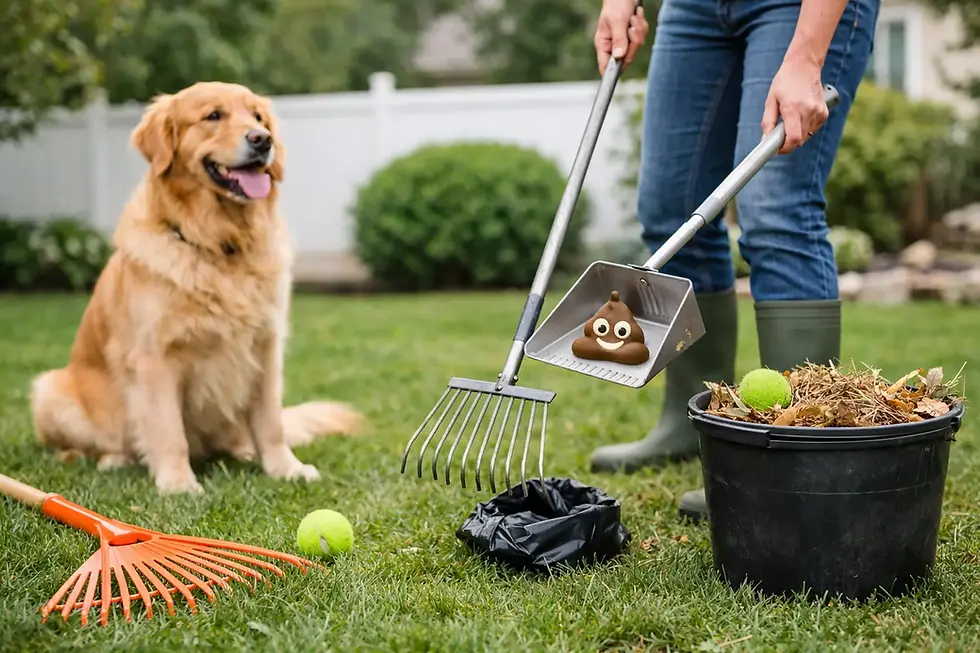
This is also a good time to be realistic about cleanup. Fresh food often means larger prep sessions, more containers in the fridge, and more vigilance around leftovers, spills, and outdoor waste. Diet changes can affect stool volume and consistency, which is worth keeping in mind if you have kids using the yard or dogs that share the space often.
Homemade does not automatically mean better
There is a lot of pressure in pet care to feel like the most involved option must be the best one. That is not always true. A balanced commercial food can be an excellent choice. A homemade plan can also be an excellent choice. The better option is the one that meets your dog's needs and fits your household well enough to stay consistent.
For busy families, convenience matters. Reliable feeding routines matter. Clean handling matters. If preparing every meal from scratch adds stress, shortcuts start creeping in. That is when quality slips.
A smarter middle ground often works well. Some pet owners use a complete commercial food as the base diet and add small amounts of plain cooked fresh foods for variety. Others prepare homemade food only with professional guidance and batch cook it on schedule. Neither approach is flashy, but both can be dependable.
When to ask for expert help
If your dog is a puppy, pregnant, nursing, overweight, underweight, or dealing with a health condition, professional guidance is worth it before you settle on any dog food recipe. The same goes for dogs with chronic digestive issues, suspected allergies, or a history of pancreatitis.
You do not need to overcomplicate things. You just need a plan that is safe, repeatable, and specific to your dog. Your veterinarian may be able to guide you directly or refer you to a veterinary nutrition specialist for a custom recipe.
That extra step can prevent a lot of trial and error. It can also give you confidence that the food in the bowl is doing what you think it is doing.
Feeding your dog well should make life feel more settled, not more uncertain. The best homemade meal is not the prettiest one or the trendiest one. It is the one that keeps your dog healthy, fits your routine, and holds up over time - because peace of mind matters just as much as good intentions.


Comments